It's Not Age.
It's Not Damage.
It's Weakness.
Back, hips, knees, shoulders. Different spots, same cause: the muscles that hold those joints have switched off. This free video switches them back on.
Finish the video before you book. The call picks up exactly where it leaves off — book before you’ve watched it and we waste it covering what you already had the answer to.
The Video Gets You Out Of Pain.
Elite Keeps You There.
Those five movements switch the right muscles back on. Staying out of pain for good means getting genuinely strong and capable, and that's the work I do one to one in TBV Elite. A few honest questions, then you pick a time.
Couldn't load the calendar here.
Open it in a new tab →Weakness, Not Damage
You sit for nine hours a day. Your hips stop extending, your glutes stop firing, your shoulders round forward and your lower back quietly takes a load it was never built to carry. Then one day you bend down to pick something up and it goes — and you decide your back is bad.
Your back isn't bad. It's been covering for muscles that switched off years ago. And it's the same story everywhere else: the knee that flares up, the shoulder that catches, the neck that's tight by Wednesday. A joint gets weak, something next to it compensates, and the part that complains is rarely the part that's actually at fault.
Stretching won't fix it, because you don't have a flexibility problem. You have a strength problem in a joint that's stopped being asked to do its job.
Ask it again, daily, and it comes back.
Don’t Take My Word.
Take Theirs.
Different Spots. Same Cause.
The spots men complain about most. Every one of them is the same problem wearing a different jersey.
Tight by the afternoon, and every so often it "goes" doing nothing at all. It's not fragile — it's been doing your hips' job for years and it's tired.
Never quite loose, no matter how much you stretch them. Sitting all day teaches them to stop extending, and stretching a weak hip just makes it a looser weak hip.
Fine on the flat, vocal on the stairs. The knee is stuck between a weak hip above and a weak ankle below, and it's the one that ends up complaining.
Rounded forward at a desk, tight by Wednesday, aching by Friday. The upper back stopped holding you up, so your neck started doing it instead.
Stiff first thing, and the reason your squat and your stairs feel wrong. Nothing above an ankle moves well when the ankle doesn't.
Feeling older than you are, moving carefully, planning around your body. That's not age arriving — that's weakness accumulating. It reverses.
Stronger Body. Better Movement.
Five movements covering all of it — spine and shoulders, lower back, hips, knees, ankles. Done daily, at home, with nothing but your bodyweight.
Decompresses the spine and loads the whole chain, waking up the muscles that support you — including the upper back your neck has been covering for.
Builds the quads and calves that stabilise the knee under load — where stiffness and aches quietly start when they're weak.
Opens the front of the hips and restores extension, so your lower back stops taking the load it was never meant to.
Frees the hips so force moves through them properly — the difference between moving easy and feeling tight all day.
Trains the small stabilising muscles and control through the whole leg — the base of moving well and feeling steady.
The movements laid out in order so you know exactly what to do and how often, without overthinking any of it.
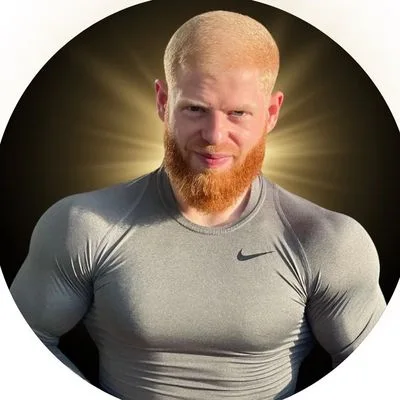
Sport & Exercise Science. The same principles I coach pro athletes and everyday men with, put into a routine you can run yourself in a few minutes a day.
The Honest Answers
Yes. The video costs nothing. Enter your name and email, it unlocks instantly, and a copy lands in your inbox — no payment, no card, no catch.
Anyone who feels stiff, achy, or held back by their body — a nagging lower back, tight hips, knees that flare up, shoulders and a neck that seize at a desk. The everyday wear that steals your mobility and makes you feel older than you are.
No. Every movement is bodyweight and can be done at home in a few minutes. Something to hang from helps for one of them, but there's an alternative if you don't have one.
Most men feel looser within the first week, wherever it's been bothering them. Strength around a joint takes longer — weeks, not days. That's not a sales line, that's how adaptation works. Do it daily and it holds.
Then see a professional first. This is general guidance for weak, stiff, everyday joints — not a substitute for a diagnosis. If it's acute, severe, or came from a specific injury, get it looked at.
Move Well. Feel Strong.
Enter your details, unlock the video instantly, and start moving better today. No cost, no catch.